Who We Are
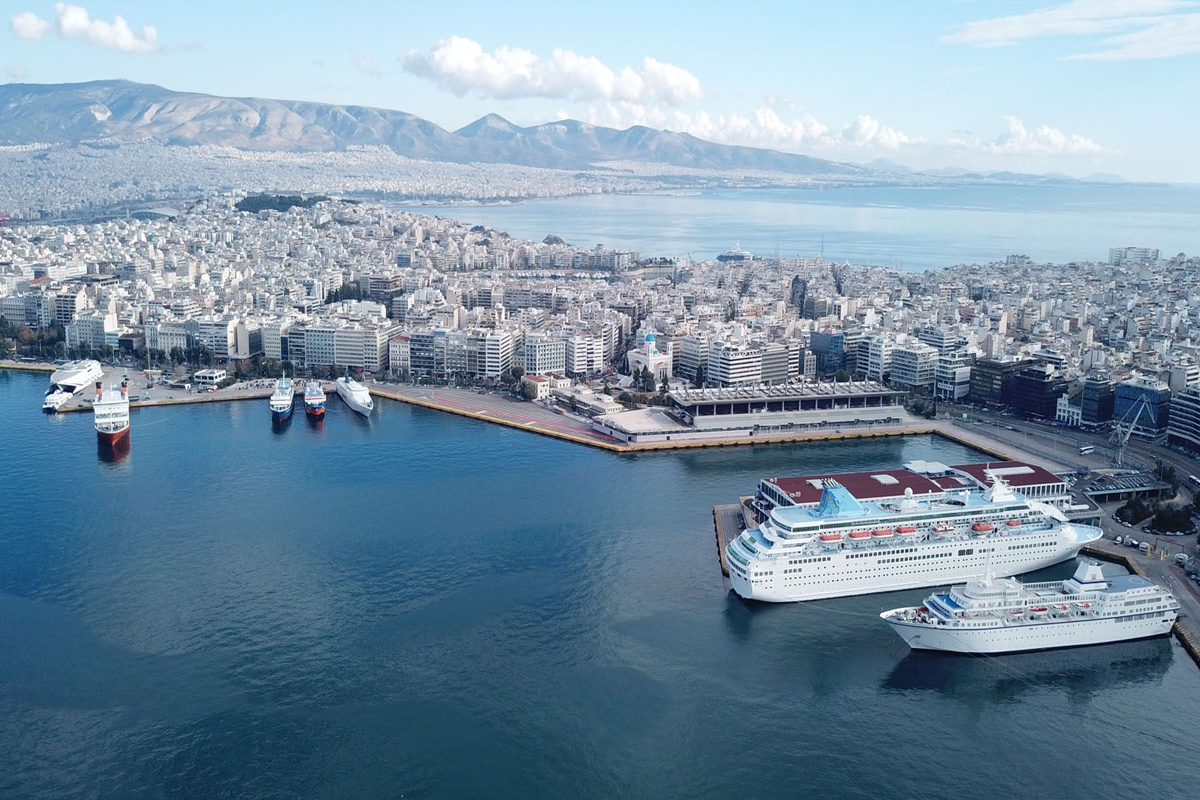
The Piraeus International Economic Conference (PIEC) is co-organized by the Department of Economics of the University of Piraeus, Greece and the Joint Research Centre (JRC) of the European Commission. The University of Piraeus is located in Piraeus, Greece’s main port, approximately 12 km from the center of Athens.
Piraeus

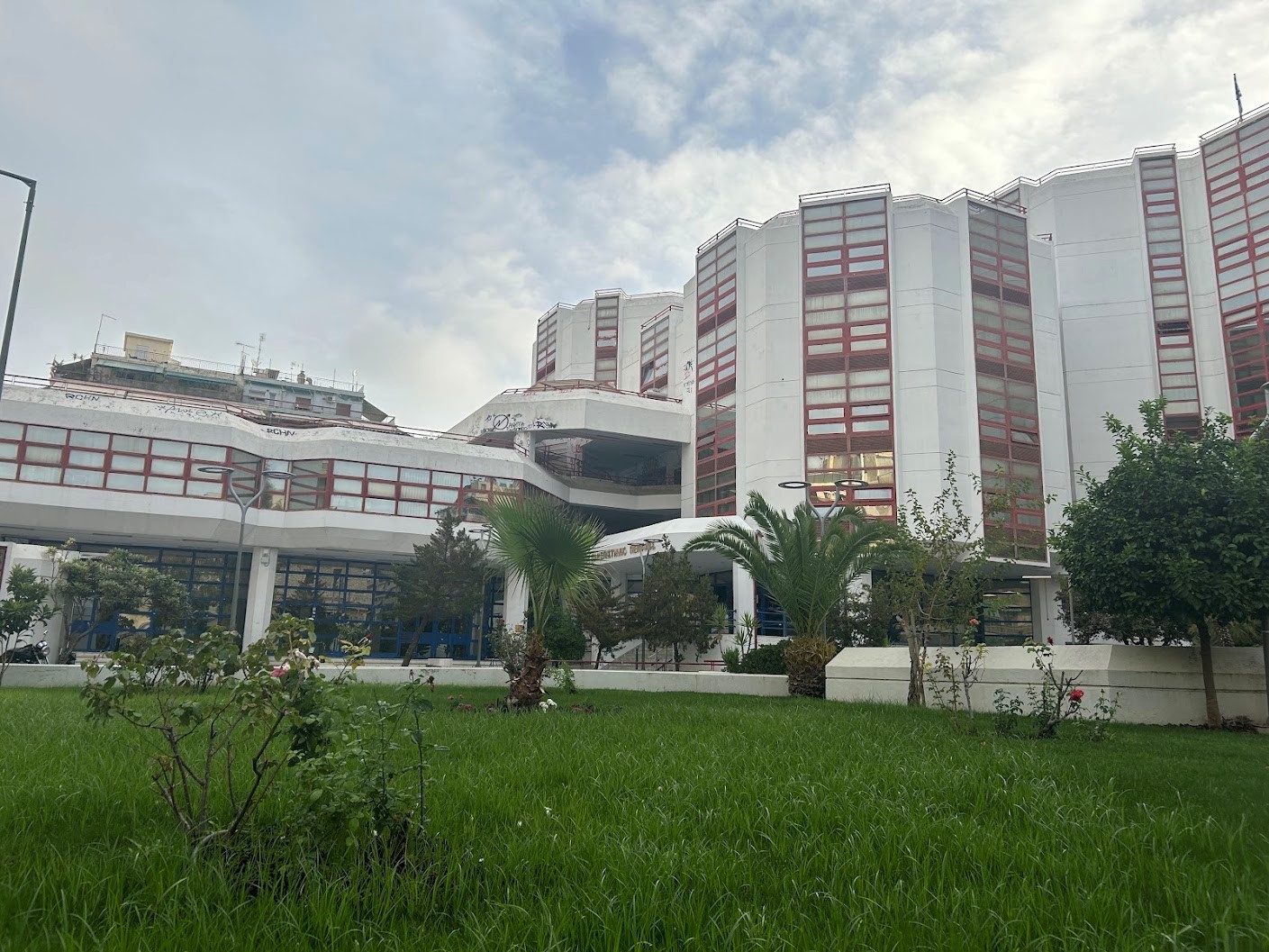
University of Piraeus
The University of Piraeus was founded in 1938 as the “School of Industrial Studies”, by the Association of Industrialists and Craftsmen, in collaboration with the Association of Societes Anonymes of Greece, with the purpose of “systematic, theoretical and practical of managerial personnel”. 8 decades later its operations have expanded, training more than 15.000 students in 4 Schools and 10 Academic Departments.
The Department of Economics of the University of Piraeus has been at the forefront of our institution even before it became a university, forming the core of the curriculum of the “School of Industrial Studies”, which was aspiring to provide “economics and managerial education to executives of the private sector, public services and non-profit organization” from its conception. Operating independently for more than 4 decades, the Department of Economics is continuing this mission, offering degrees at the bachelor, master and PhD level. Its educational purpose is carried out by a faculty skilled in in teaching as well as research, finding themselves at the top 10% of economics authors. The Department of Economics places great importance on cooperation with other universities and organizations in Greece and abroad, on creating Links with the Labor Market through internships and other types of collaborations, and on the values of Excellence in Research and Education, Social Responsibility and Contribution to Society and the Economy. Research constitutes one of our department’s main pillars, a commitment that is reflect in the quality of our faculty’s published works. Most of our faculty’s research is focused on applying economic tools to understand real world problems. Empirical research may identify economic patterns, test theoretical models of behaviour, propose and test new business models for building strategic advantage, or evaluate the effectiveness of alternative economic policies. Theoretical research may shed new light on the behaviour and interaction of economic agents, establish new conceptual frameworks for studying markets and economic institutions, or lead to new statistical and analytic tools. (https://www.unipi.gr/en/department-of-economics/)
TEDAM at JRC Seville
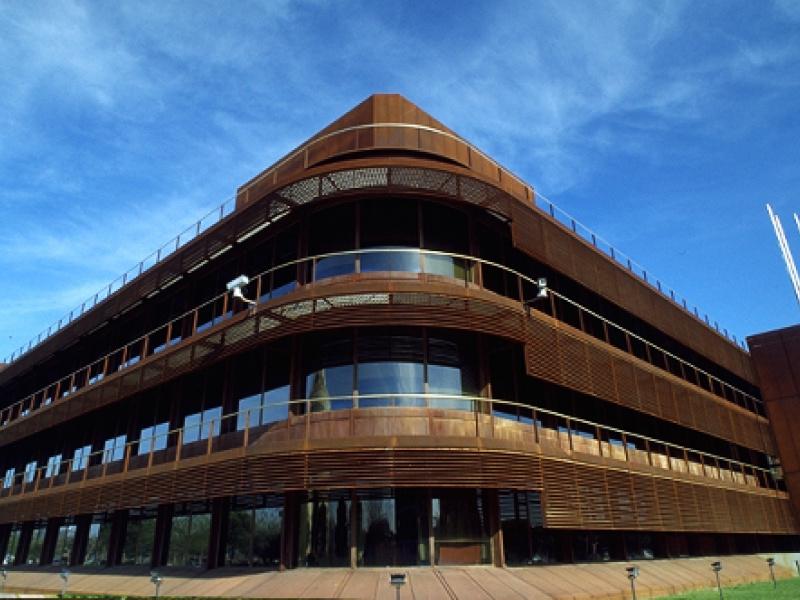
The TEDAM team provides analytical support to EU policy-making through two complementary pillars: RHOMOLO and REMO. RHOMOLO is a spatial computable general equilibrium model developed at JRC Seville in collaboration with the Directorate-General for Regional and Urban Policy. The RHOMOLO team contributes to European Commission impact assessments by generating sectoral, regional, and time-specific results based on scenario analysis. The REMO pillar focuses on mapping, monitoring, and analysing key regional and micro-level data. Its objective is to assess EU policies with a comprehensive territorial perspective, examining their impact on regional ecosystems across dimensions such as competitiveness, innovation, inclusion, and education. TEDAM is part of the Innovation Policies and Economic Impact Unit (JRC.B.7) within the Fair and Sustainable Economy Directorate of the Joint Research Centre, located in Seville, Spain.